Award-winning interior designer Anna Standish meets up with Gorringe’s executive director Oliver Searle to talk antiques, sustainability and the thrill of buying – and selling – at auction.
When we arrive at Anna Standish’s home in Lewes, the setting could hardly be more fitting. Paintings from different eras hang beside a modern Tizio lamp; an elegant Swedish sofa sits comfortably alongside contemporary touches. It is a masterclass in the kind of thoughtful eclecticism for which the designer is renowned.
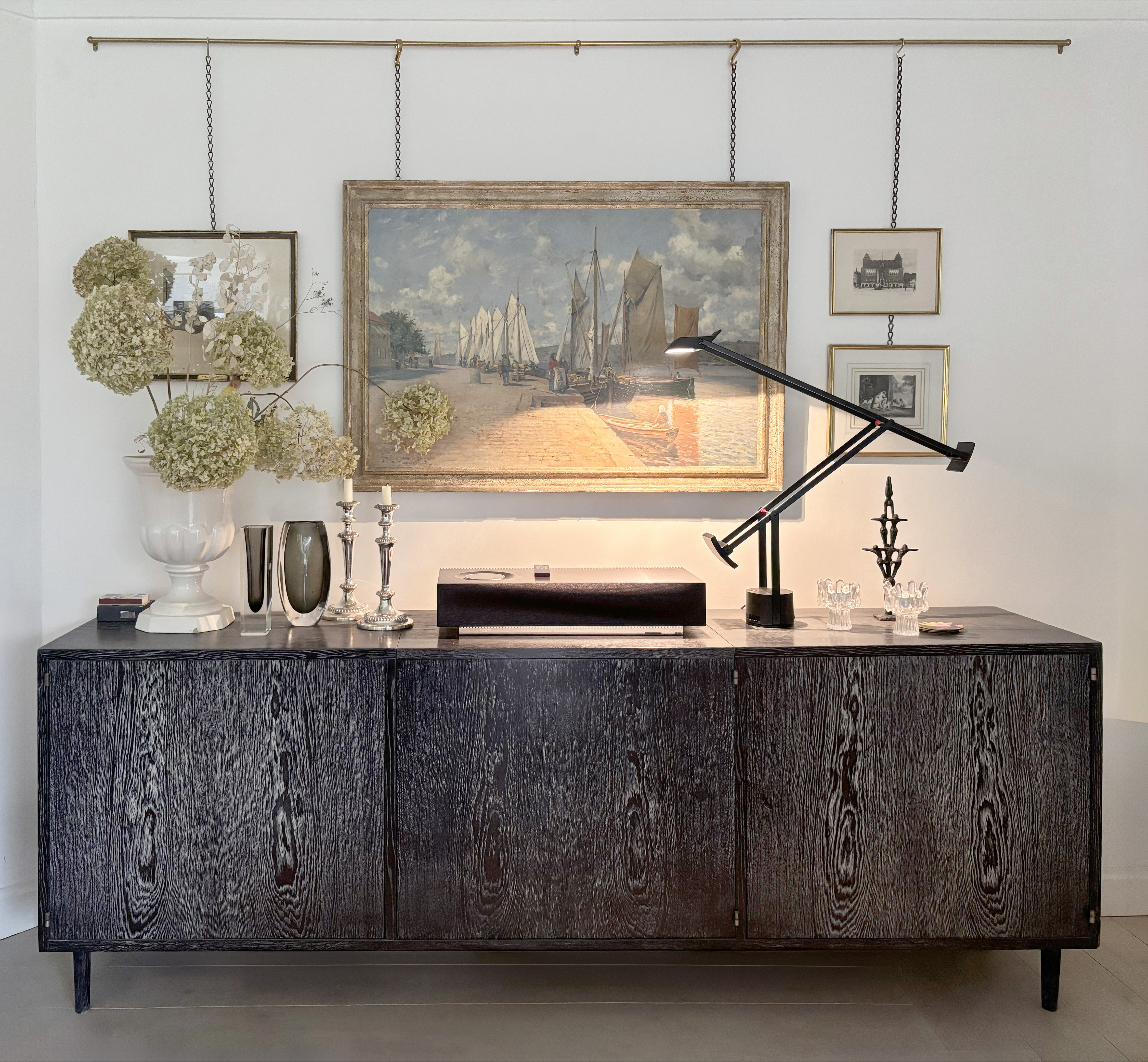
Anna, whose clients have included Madonna and Dawn French, has built an international reputation for creating refined yet deeply personal interiors. With the designer based here in Gorringe's hometown, the conversation quickly turns to our shared passion: the enduring appeal of antiques.
The art of eclecticism
“I think there’ll always be a huge place for antiques in a modern interior,” Anna begins. “It’s all about balance – not only of furniture styles, but also materials, eras and origins. A room full of one style can be boring, whereas mixing it up can be really exciting.”
That philosophy sits at the heart of Anna's work. While the British country house aesthetic – with its layers of pattern, upholstered furniture and gallery walls – remains popular, Anna is beginning to notice a subtle shift.
“Clients have become much more comfortable with that maximalist look,” she explains. “But I’m also seeing a move towards cleaner, sleeker lines – almost an art-deco influence – using high-end antiques with a sharper silhouette.”
It’s a trend Gorringe's executive director Oliver Searle recognises from the saleroom. “We’ve seen huge demand recently for quality art deco pieces and bronzes,” he notes, adding that interest in 1970s and ’80s design is also on the rise
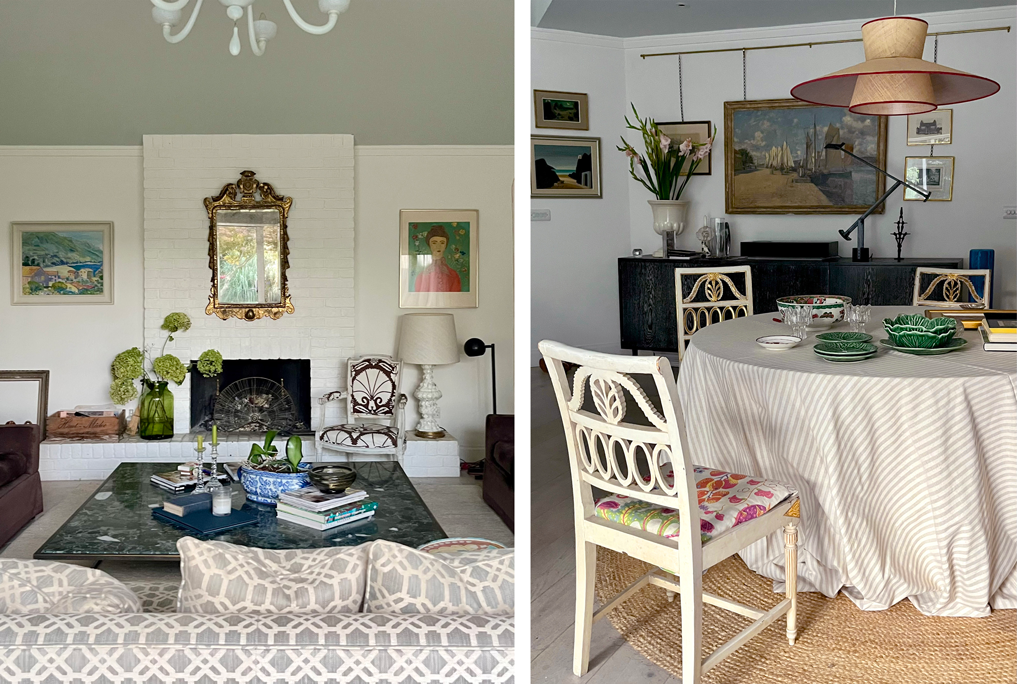
Anna agrees. “That period is underrated. People were extremely experimental with materials and colour. Add a bold 1970s piece into a room with older, more serious furniture and the juxtaposition can be brilliant.”
The truth about brown furniture
Talk inevitably turns to the debate about traditional wooden furniture in contemporary homes. While some believe it has fallen out of favour, Anna takes a more nuanced view.
“There will always be certain pieces that work beautifully,” she says. “Smaller, really high-quality items – a bedside table, a flame mahogany cabinet – can add depth to a scheme. And don’t be afraid to mix different wood tones. A dark dining table with lighter chairs can look fantastic.”
Her approach, she stresses, is never formulaic. “You have to let the house tell you what it needs. Every project is different – whether it’s a holiday cottage or a family home. The property, the client and the way the space will be used should always lead the design.”
Buying with the heart – and the head
For many people, the sheer variety on offer at auction can feel overwhelming. Anna’s advice is refreshingly straightforward.
“When you see something that you really love, ask the practical questions: will it fit, can I afford it, do I really need it! Then go away, have a coffee, and think about it. If it still sparks joy, then go ahead, set yourself a bidding limit (very important), and try to attend the actual sale in person, if possible.”
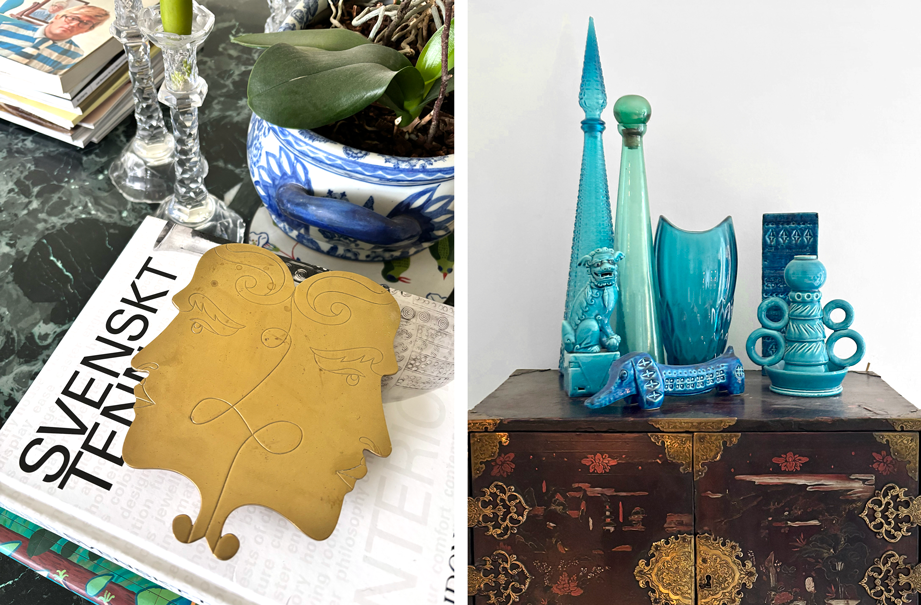
That balance of emotion and practicality is key, she believes. Auctions are not just about bargains – they are about finding pieces with personality.
You can find items at auction that are not on the shop floor or on the internet. It’s a bit like foraging for mushrooms – look hard enough and you’ll find the chanterelle.
The sustainable cycle of auctions
One of the biggest changes Anna has observed over her career is a growing focus on sustainability.
“Fifteen years ago, everything would be ripped out and go to landfill. Now people are far more respectful – restoring floors, repairing plasterwork rather than starting again.”
Auction houses play a central role in that shift. “If a client no longer wants a piece of furniture, I’ll take it to auction and find something else there that suits them better. It’s a great big cycle.”
Oliver agrees that this circular approach is increasingly shaping buying habits. “Items don’t have to be forever,” he says. “A room can evolve, pieces can move on and find new homes. That’s the beauty of the auction world.”
For Anna, the constant flow of objects is part of the joy. “I swap artwork around all the time. Smaller items like side tables can be changed to refresh a space. Visiting auction houses is endlessly inspiring.”
Nowhere is the sustainable approach more evident than in auction furniture – it’s design with history and a future.
Why auctions inspire designers
What keeps Anna coming back to the saleroom? The sense of discovery. “As you walk in, there’s such an array of eras and origins, all sitting together. I love seeing a Guzzini lamp on an antique commode with a 16th-century tapestry behind it. An auction house has it all.”
And that, ultimately, is what makes auctions such a powerful resource for anyone creating a home.
Auctions are full of stories and surprises. They help you build interiors that feel collected, not decorated.
3 Quick Questions with Anna Standish
What is your most treasured piece?
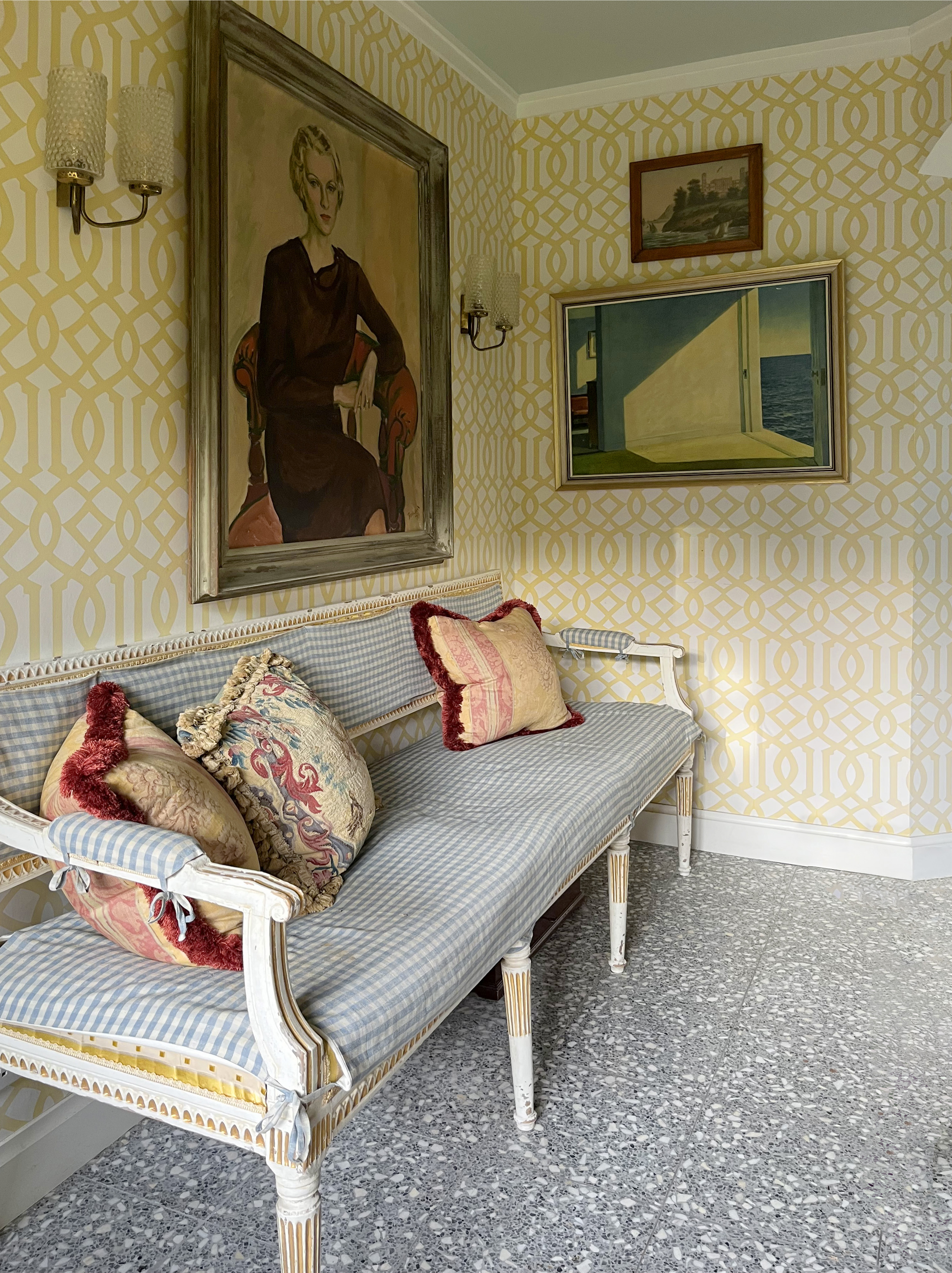
“The Swedish sofa in my hallway with a portrait of my grandmother above it. The two really come as a pair – they’re full of personal history.”
If money were no object, what would you buy tomorrow?
“A 1970s brass etched coffee table by Belgian artist Ado Chale. I fell in love with one years ago.”
Why do you enjoy buying at auction?
“Auctions are not just about finding a bargain; they are a brilliant place to seek out one-off pieces that are unique to your interior, storytelling along the way.”
With their shared belief in craftsmanship, sustainability and individuality, Anna Standish and Gorringe’s are united by a simple idea: the best interiors are built over time, one carefully chosen auction find at a time.
Explore Gorringe’s weekly House & Garden sales to begin your own collecting journey.